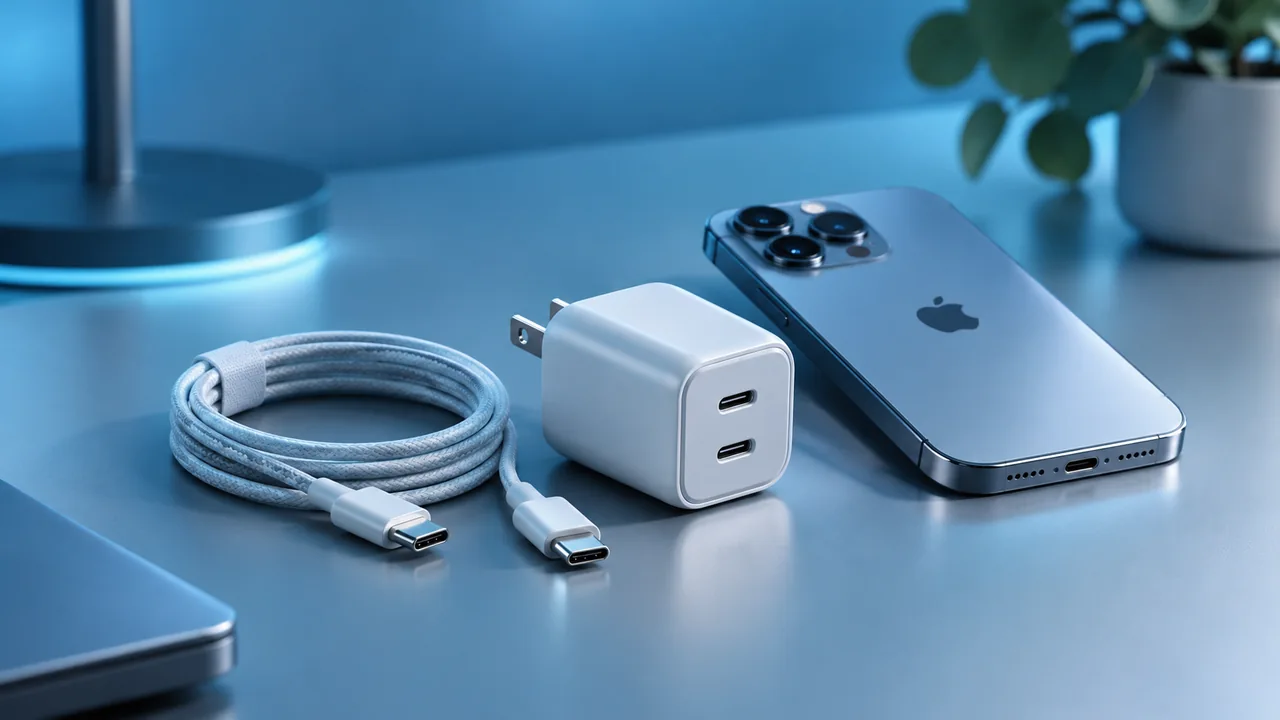
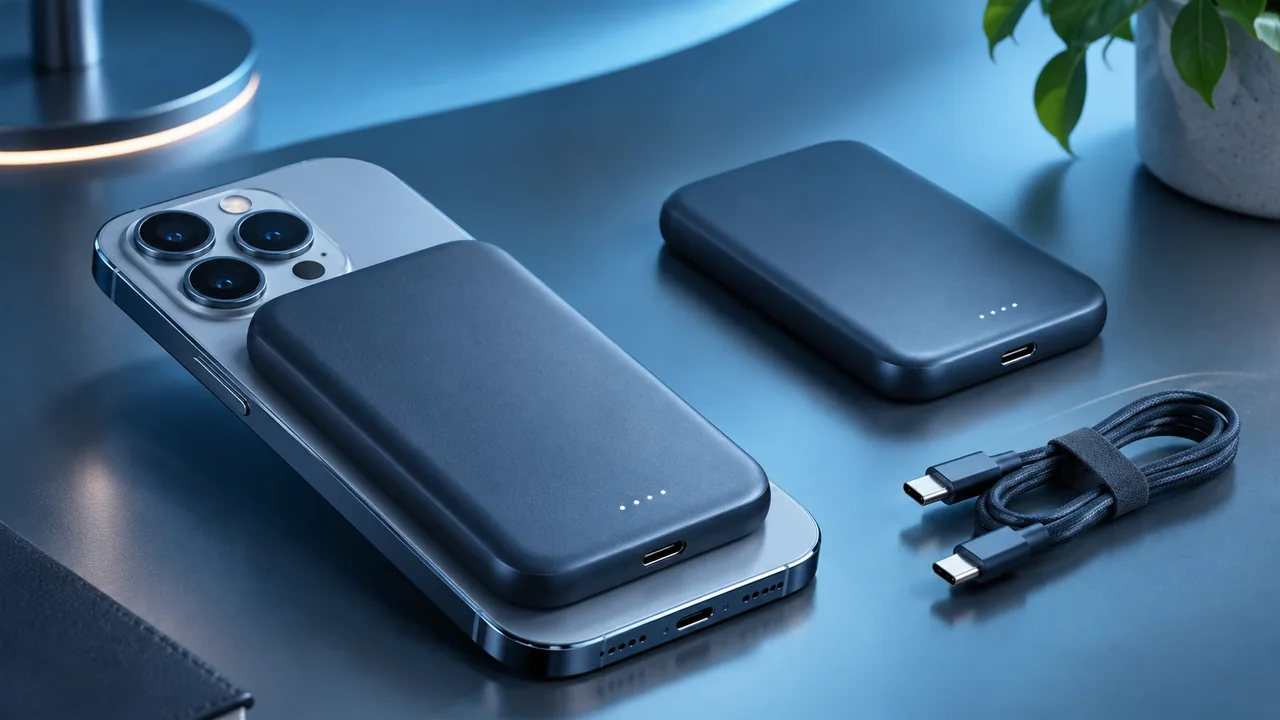
An iPhone case should not be chosen just for its colour or the way it looks in a store photo. Protection, ergonomics, button access, charging compatibility and ease of cleaning shape the experience every day. Because camera layouts and dimensions change between generations, compatibility should never be assumed.
Editorial note. Independent editorial content using public specifications and buying criteria; not an independent laboratory test.
Start with the protection you actually need
The first step is to understand how you carry and use your iPhone. If you mostly work at a desk, a slim, comfortable, grippy case may be ideal. If you travel, spend time outdoors or carry the phone alongside other objects, reinforced corners and broader coverage become more valuable. A case cannot make a phone indestructible: results depend on drop height, angle, surface and impact point. Balance probable protection with everyday comfort instead of accepting absolute claims.
Silicone and TPU
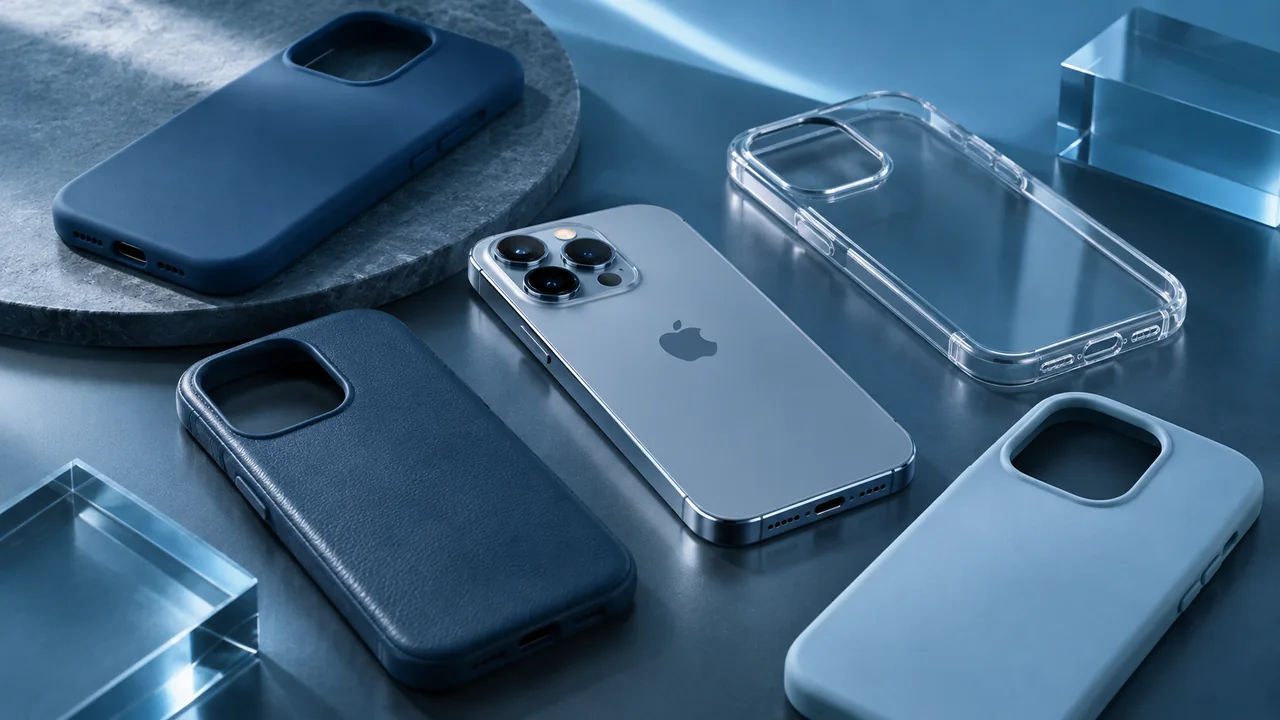
Silicone often provides a soft feel and good grip, although some finishes attract dust or catch on pockets. TPU is generally flexible and resistant to deformation, with properties that vary according to the formulation. Finish quality, sidewall thickness and button fit matter as much as the material name. Poorly made cases can lose shape, yellow or develop rough edges. Look at corner reinforcement and how easily the case can be removed without damaging the phone.
Polycarbonate, hybrid construction and premium materials
Rigid polycarbonate can help resist scratches and maintain shape, but impact protection depends on the full design. Many cases combine rigid backs with flexible edges to distribute forces and simplify installation. Leather and textile-style products prioritise appearance and tactile feel, with different maintenance needs. A premium material does not automatically mean better drop protection. A well-designed hybrid case can outperform an expensive case built primarily for looks. Look for construction details rather than broad marketing labels.
Camera, screen and raised edges
Modern camera modules protrude from the rear of the phone. A slightly raised lip around the lenses can reduce direct contact with tables, and raised front edges can help protect the display. Excessive lips may interfere with gestures or screen protectors, however. Check cutouts for microphones, speakers and ports. Additional hardware buttons require accurate positioning or suitable covers. Correct fit matters more than a supposedly universal shape.
MagSafe and Qi2 compatibility
If you use magnetic chargers, car mounts or magnetic power banks, select a case designed for your phone’s magnetic layout. The ring must be positioned correctly and provide enough holding strength. Magnets alone do not certify charging speed: the charger, phone and temperature still determine output. Thick materials or objects placed between the charger and phone can increase losses. Always verify compatibility with the exact iPhone model and accessory.
Weight, thickness and ergonomics
A rugged case adds protection but also bulk. On large phones, a few extra millimetres can matter when typing one-handed, taking photos or carrying the device in a pocket. Side texture, anti-slip finishes and button placement affect comfort. Consider whether the case grabs fabric or slips in dry hands. If you use the phone for hours each day, ergonomics can be as important as appearance. The best case is one you can keep on without constantly wanting to remove it.
Compatibility between generations
Small differences in height, width, thickness, camera layout or button position can make a case unsuitable. Never assume that a case for one iPhone generation fits another, or that Pro and Pro Max accessories are interchangeable. Check the manufacturer’s exact model reference. A forced fit may press buttons, weaken magnetic alignment or expose vulnerable edges. Reliable listings should identify the supported generation and any accessory limitations clearly.
Cleaning and wear over time
Dust and grit trapped between the case and phone can cause scratches. Remove the case periodically and clean it according to the manufacturer’s instructions without harsh chemicals. Some clear polymers can yellow with ageing and exposure to light, at different rates depending on composition. A cracked, stretched or loose-fitting case should not be kept purely for appearance. Also check worn corners, loose button covers and weakened seams.
A realistic buying checklist
Set priorities before shopping: corner protection, acceptable weight, grip, magnetic charging, colour and budget. Look for real product photos on the correct model, clear material details and sensible return conditions. If drop resistance is advertised, inspect the test method instead of treating it as an absolute guarantee. Confirm access to cameras, buttons and ports. A good case protects the phone without interfering with charging or daily use.
Frequently asked questions
Is a thicker case always safer?
Not necessarily. Materials, corner geometry and impact absorption matter too.
Do clear cases yellow?
Some polymers change colour over time; the rate depends on material and exposure.
Can I reuse a case from another generation?
Only when the maker explicitly confirms compatibility with the exact model.
Compatibility and output may vary by accessory and iPhone model.
Apple — Use your MagSafe Charger ↗ Apple — How to wirelessly charge iPhone ↗Key takeaway
Start with compatibility for your exact model, followed by safety and real-world usability, and only then price. Headline power, protection or capacity numbers are not a substitute for checking real conditions.
For cases, chargers and screen protectors in one place, see our 2026 iPhone accessory buying guide.