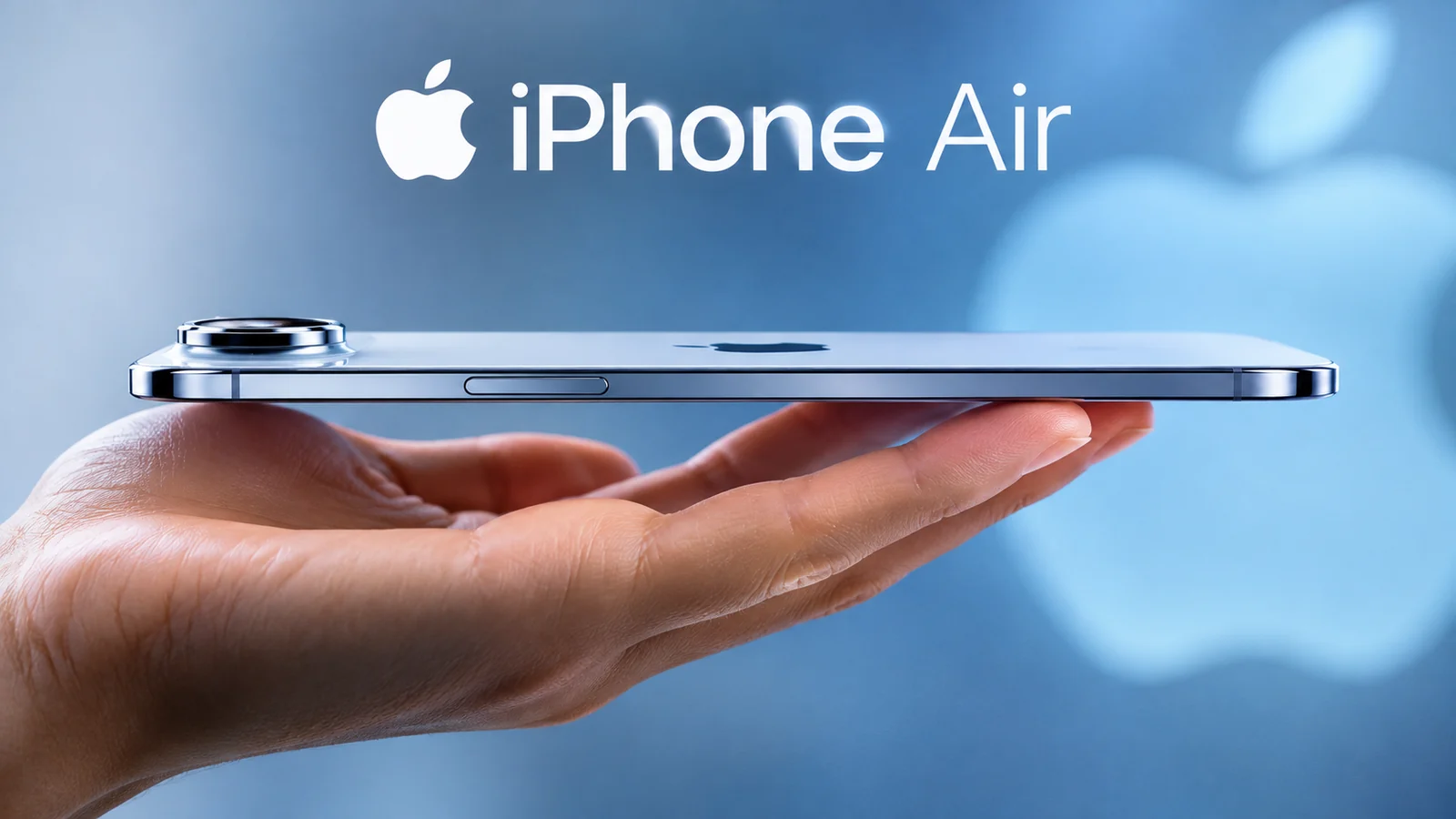
An iPhone designed around thinness, lightness and mobility. Discover what improves in comfort and what changes in photography.
Editorial note. This article uses public documentation and buying criteria; it is not an independent hands-on hardware test.
Key specifications
- Thickness and weight5.64mm and 165g
- Display6.5-inch OLED, ProMotion up to 120Hz
- BuildTitanium and Ceramic Shield
- ChipA19 Pro
- Rear camera48MP Fusion main camera
- Rated batteryUp to 27h video playback
Thinness and weight as the main benefits
At 5.64mm and 165g, iPhone Air puts comfort first. Its 6.5-inch OLED offers substantial viewing space in a light body, different from a conventional small smartphone.
The benefit is apparent during reading, travel and long calls. A protective case can change the very thickness and feel that make the Air distinctive.
Titanium build and handling
The titanium body includes Ceramic Shield protection. The thin profile changes grip, camera stability and one-handed typing. Some people will value the lower weight more than a complex camera array.
Try the device with a case and evaluate button placement and comfort rather than relying solely on measurements.
6.5-inch display and ProMotion
Super Retina XDR, ProMotion up to 120Hz, Dynamic Island and always-on functionality create a premium display experience. The large screen supports video, browsing and reading without Max-level weight.
A standard 6.5-inch panel does not provide the split-screen workspace of a folding Duo, even if both are comfortable for content consumption.
A19 Pro and real workloads
A19 Pro supports demanding apps, photo editing and on-device AI features. Most basic messages, navigation and casual shots do not require the newest chip available.
With an exceptionally thin device, buyers should pay attention to heat, long gaming sessions and battery life. This guide does not claim independently measured sustained performance.
Camera compromises
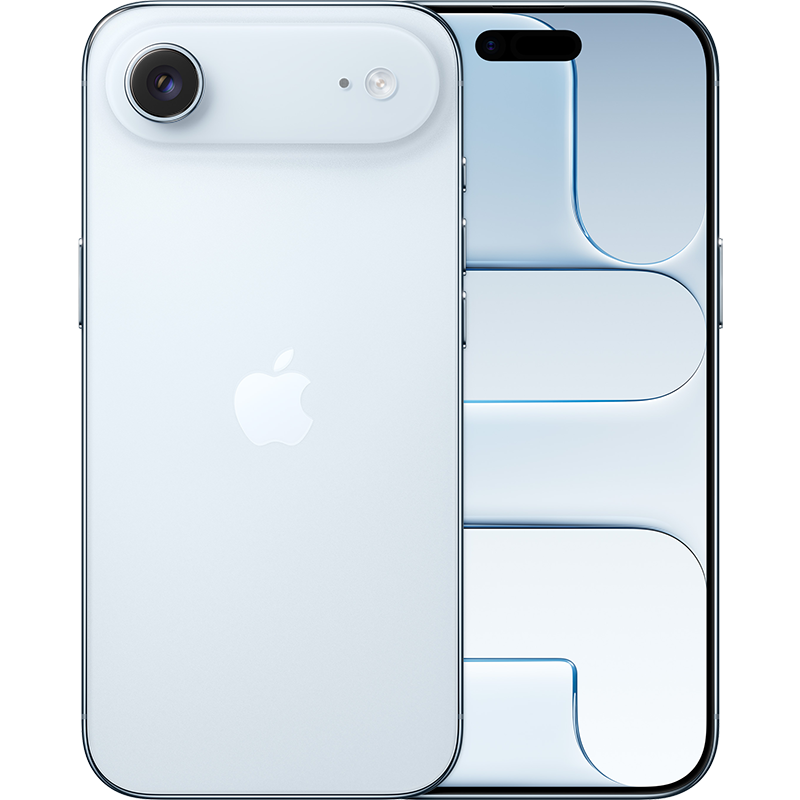
A single 48MP Fusion main camera offers a 2x crop option alongside its standard framing. It is a practical everyday camera, but not the same range of dedicated lenses found on Pro models.
Ultrawide landscapes, architecture and distant subjects make those missing perspectives relevant. Megapixels alone do not create an equivalent multi-camera system.
Battery and charging
Apple quotes up to 27 hours of video and 22 hours of streaming in controlled tests. The dedicated magnetic battery can extend use but adds bulk, weight and cost.
Wired charging can reach around 50% in 30 minutes with an appropriate adapter. Consider whether low everyday weight offsets potentially more frequent top-ups.
Air, iPhone 17 or 18 Pro?
Compared with iPhone 17, Air is lighter, thinner and has a slightly larger display, while the 17 offers a more versatile Dual Fusion camera system. Compared with 18 Pro, Air prioritises weight over advanced imaging and rated endurance.
Choose Air for an unusually light large-screen phone; compare the alternatives for varied photography, maximum battery life or lower expenditure.
This reference documents specifications or procedures. Check for updates before buying or configuring a device.
View official sourceFrequently asked questions
Is iPhone Air lighter than iPhone 17?
Yes. Apple lists 165g for Air and 177g for iPhone 17.
Does iPhone Air have an ultrawide rear camera?
No. It uses a 48MP Fusion main camera rather than a dedicated ultrawide module.
How to decide
Compare the features you actually use, total ownership cost, local warranty and availability. This guide is based on published specifications, not independent hands-on testing.