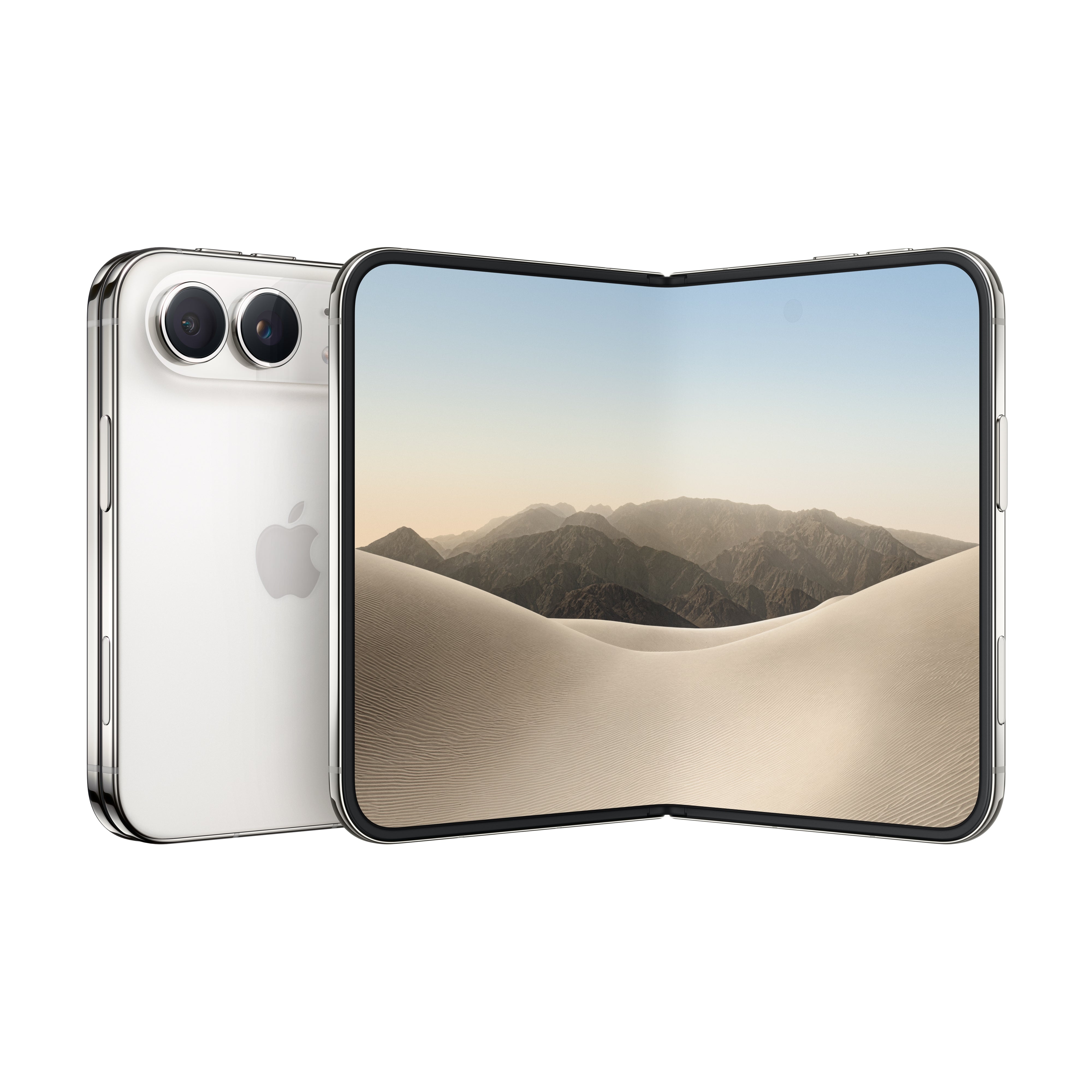
Apple’s larger Pro combines display space, long rated battery life and advanced cameras. Which benefits justify the extra cost?

Editorial note. This article uses public documentation and buying criteria; it is not an independent hands-on hardware test.
Key specifications
- Display6.9-inch Super Retina XDR OLED; ProMotion up to 120Hz
- Weight249g; aluminium unibody
- ChipA20 Pro with vapour-chamber cooling
- Main camera48MP Fusion with variable aperture
- Rated batteryUp to 43h of video playback
- ChargingUp to 50% in ~15 min using suitable 60W+ AVS adapter
Where the 18 Pro Max fits
The iPhone 18 Pro Max prioritises screen area, advanced photography tools and battery life over compactness. It offers a 6.9-inch OLED with ProMotion up to 120Hz and an aluminium unibody. At 249g, physical comfort matters.
Base the decision on tasks, not the model’s position in the range. Large documents, photo editing and prolonged navigation benefit from extra space; one-handed messages may not.
Display and outdoor readability
Its 2868 × 1320 resolution provides considerable detail for text, photographs and video. Apple quotes up to 3000 nits peak outdoor brightness under specified conditions; this is not a constant brightness guarantee.
Compared with 18 Pro, the benefit is primarily physical display area, at the cost of one-handed reach and pocket space.
A20 Pro and sustained performance
A20 Pro and vapour-chamber cooling target intensive tasks such as gaming, editing and on-device AI features. Performance sustained over a long session is more useful than an isolated benchmark score.
Many daily tasks will not make full use of this headroom. Distinguish the need for sustained processing from a preference for spare capacity.
Why variable aperture matters
The 48MP Fusion main camera uses variable aperture to adjust incoming light and depth of field. Apple also provides manual controls including shutter speed and white balance for photographers who understand exposure.
Assess telephoto reach, ultrawide work, stabilisation, night performance and colour consistency too. Extra camera controls do not automatically create better pictures.
Video and creative workflows
Pro capabilities include formats and controls such as ProRes and Apple Log, depending on capture and storage settings. These matter when footage is graded or edited in a broader workflow.
If you mainly film family events, prioritise ease of use, stabilisation and realistic storage needs. Professional formats can consume substantial space.
Battery and charging figures
Apple rates 18 Pro Max for up to 43 hours of video playback, compared with up to 34 hours on 18 Pro. These are controlled test figures; signal, brightness and app use change real results.
Apple states up to 50% in about 15 minutes with a suitable 60W or higher AVS-capable adapter and USB‑C cable. A higher wattage label alone does not guarantee faster charging.
18 Pro Max or 18 Pro?
Both share A20 Pro and the advanced camera proposition. The Max has a 6.9-inch display and longer rated battery life; the standard Pro is 6.3 inches and 211g.
Try both devices in hand, estimate your actual battery needs and compare equal storage configurations. The Max premium is most defensible when you use its space and runtime daily.
This reference documents specifications or procedures. Check for updates before buying or configuring a device.
View official sourceFrequently asked questions
Are the Max cameras better than the 18 Pro cameras?
Both belong to the same Pro family. Check exact camera specifications rather than assuming a larger phone always has better cameras.
Is a 100W charger necessarily faster than a 60W charger?
No. AVS support, cable specifications, temperature and phone-side charging limits determine actual speed.
How to decide
Compare the features you actually use, total ownership cost, local warranty and availability. This guide is based on published specifications, not independent hands-on testing.