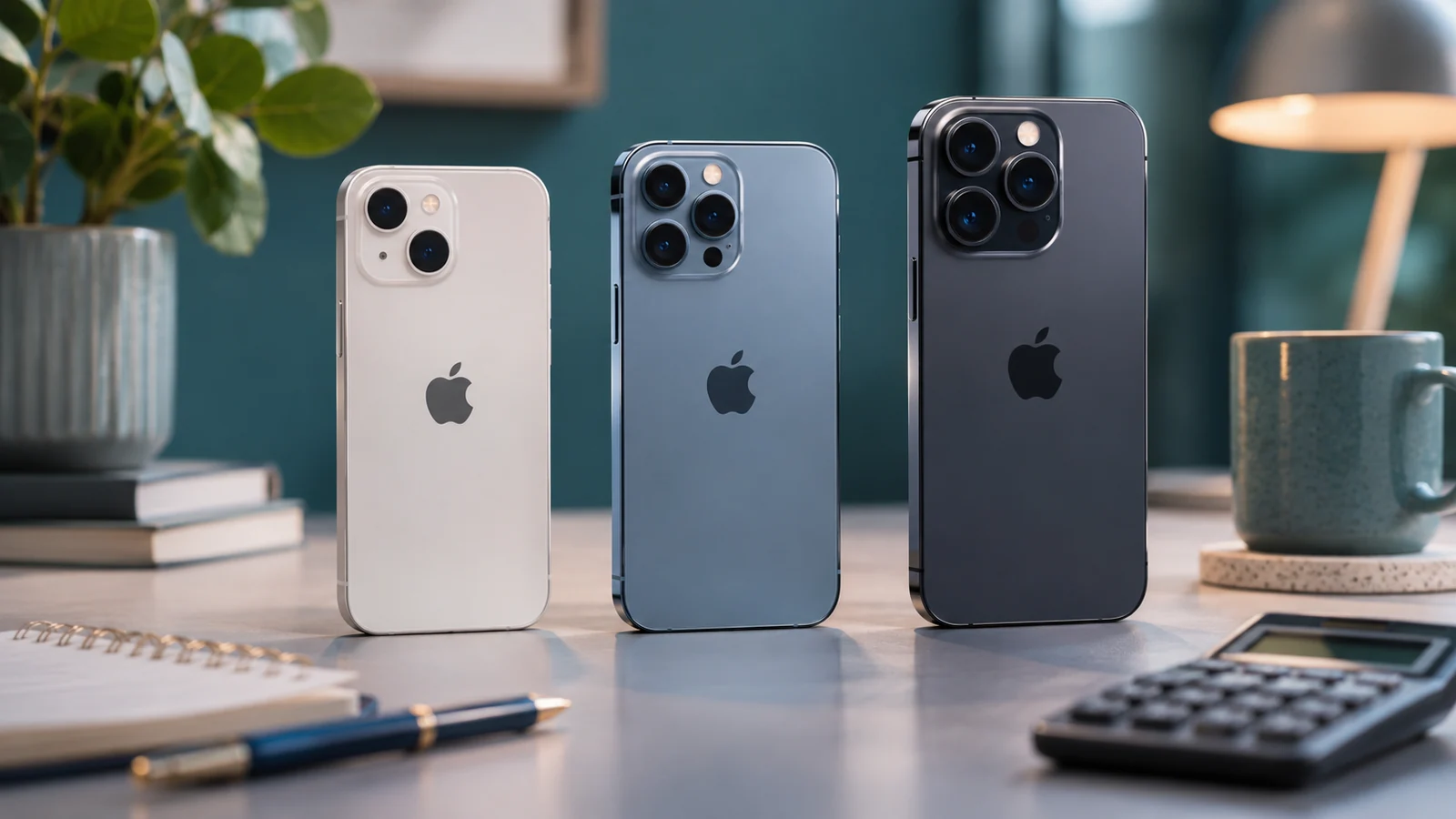
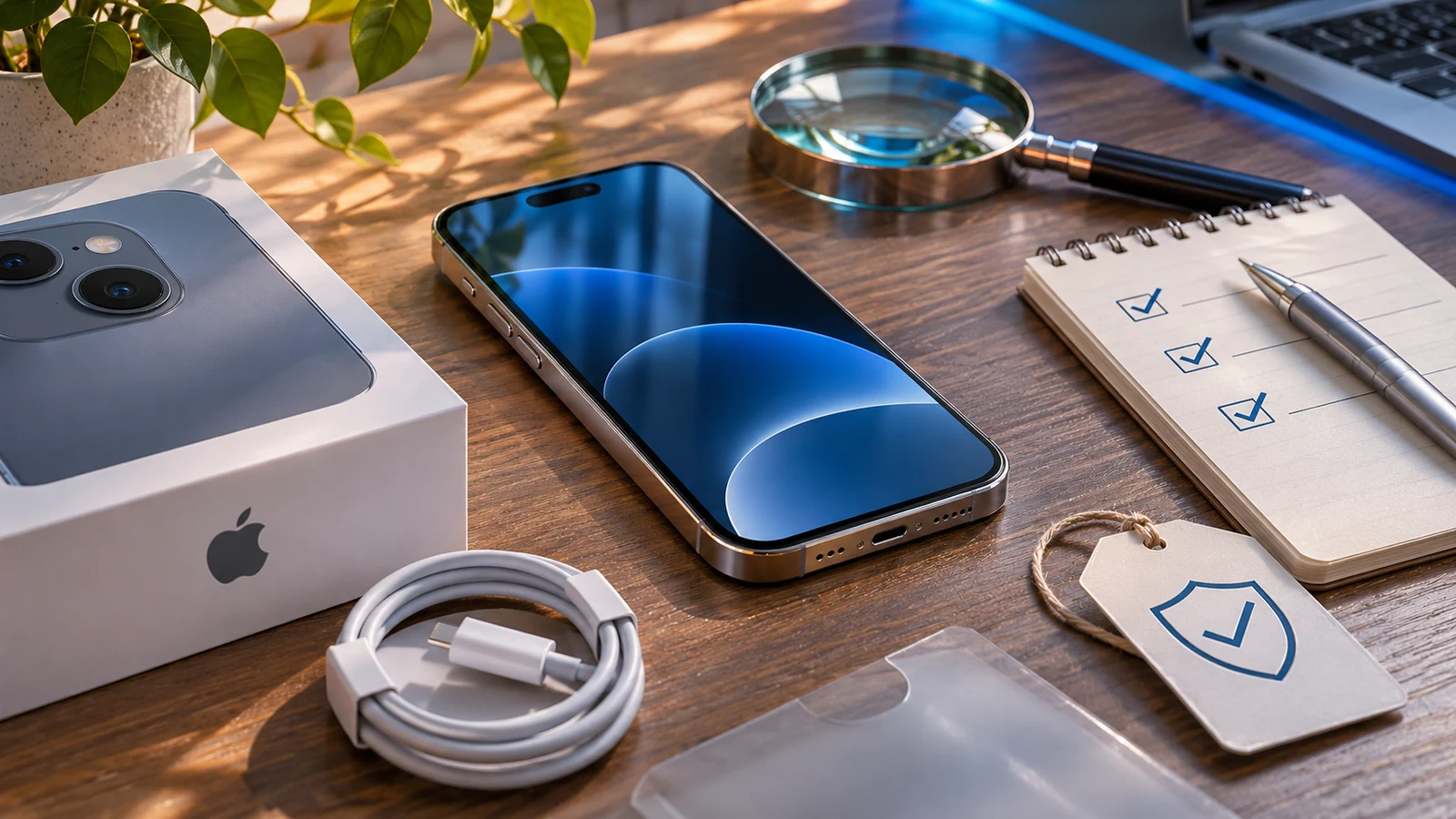
When people see the price of an iPhone, one question comes up almost immediately: how can a smartphone cost so much? The answer is not limited to the glass, cameras or processor inside the box. Years of research, engineering, demanding materials, testing, software and business decisions sit behind the finished product. Understanding that chain of value helps us discuss the price with evidence — without assuming that every price tag is automatically fair.
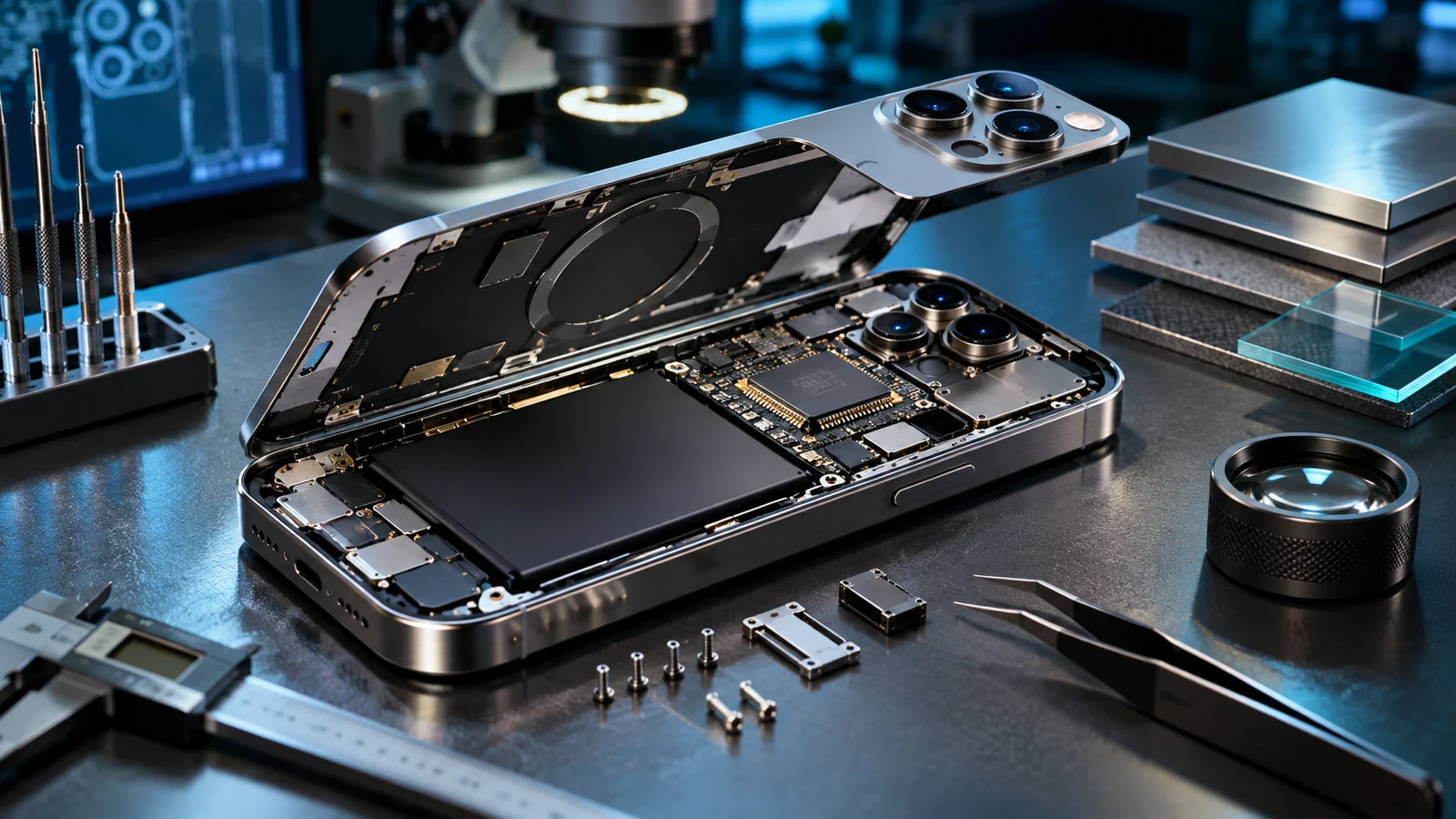
Editorial note. This article separates disclosed figures from buying criteria. Apple-wide R&D spending cannot be attributed exclusively to the iPhone; this is not an independent laboratory test.
A high selling price is not the same as manufacturing cost
The retail price contains costs that cannot be seen in a product photograph: research, design, components, assembly, logistics, software, marketing, service and taxes. Physical production is only one stage. A business developing its own technologies must also recover investment made before a device reaches the shelves, including work that never becomes a product.
That does not mean all expenses can be attributed to one iPhone model. Processor research may benefit several generations and devices, while software platforms serve millions of people. Dividing Apple's annual research bill by the number of iPhones sold would therefore produce a misleading result. Pricing is an economic decision shaped by costs, competition and perceived value.
How much does Apple really spend on research?
For the fiscal year ended in September 2026, Apple reported $45.765 billion in research and development expenses, up from $34.550 billion in the previous fiscal year, an increase of 32%. Its annual report identifies higher infrastructure-related spending, including AI investment, and personnel-related costs as important drivers. These are disclosed figures rather than third-party estimates.
There is an essential qualification: the amounts cover all of Apple — iPhone, Mac, iPad, software, services and other initiatives. The report does not publish an allocation precise enough to establish how much went exclusively into the iPhone. Even so, the scale shows that building a technology platform is very different from simply purchasing components and assembling a device.
Failed ideas also have a cost
Innovation does not progress as a continuous sequence of successful launches. Technology businesses test ideas, change direction and abandon projects when technical, financial or user-experience goals no longer make sense. Prototypes, laboratories, teams and intellectual property require spending even when customers never see the results.
A public example is Apple's car project, often called Project Titan, which was cancelled in 2024 after years of work, according to Reuters. It would be wrong to suggest that this spending is charged directly to an iPhone buyer. The example instead illustrates the risk of research: not every idea becomes a commercially viable product. Choosing what should not ship is part of developing what eventually does.
Premium materials involve more than appearance
Glass, aluminium, titanium and specialised alloys should not be assessed just by their names or shine. The important factors are the properties required: stiffness, weight, corrosion resistance, manufacturing tolerances, heat dissipation and long-term behaviour. A sophisticated material may be difficult to machine, finish or integrate with other parts, increasing production complexity.
Apple uses different materials according to the model and its purpose. It would be inaccurate to claim that every iPhone uses the most expensive material available, or that the most costly material always produces the best phone. Strong engineering balances weight, durability, repairability, aesthetics and cost. Buyers partly pay for that integration work, not just the raw material.
Chips, cameras and integrated engineering
Apple's custom chips illustrate the relationship between hardware and software. Designing an architecture, managing energy use, tuning image processing and integrating security features requires specialised teams. The result is not captured by core counts or an advertised performance figure alone.
Cameras work in a similar way. Sensors, optics, stabilisation, processing and algorithms must function together. Consistent images in challenging conditions often depend more on that integration than on one isolated specification. Antennas, audio, battery endurance and thermal management also involve demanding trade-offs between space and energy. The invisible work is making many subsystems behave like one coherent device.
Manufacturing at scale and quality control
Producing millions of similar devices is not just repeating an assembly step. It takes suppliers, industrial capacity, defect control, transportation, calibration and checks at different stages. Very small dimensions make it difficult to fit parts together, maintain structural strength and prevent overheating or interference.
Apple publishes information on supplier-facility assessments and labour and environmental requirements. This does not guarantee that there are no issues anywhere in the supply chain, but it shows that industrial management involves audits and ongoing oversight. The cost of developing processes, validating parts and addressing faults belongs in a serious analysis of the finished product. Real-world reliability must still be judged for each generation.
Software and security continue after the sale
An iPhone does not stop being developed when it reaches a shop. Operating-system updates, security fixes, app compatibility and new features require ongoing work. That support can extend the useful life of a device and reduce the need for early replacement.
The overall experience also depends on coordination among cloud services, backups, privacy, accessibility and other connected devices. Consumers do not have to prefer a tightly integrated ecosystem to recognise the engineering cost involved. At the same time, buyers should weigh their freedom of choice, compatibility limits and dependence on associated services.
Sustainability, recycling and responsibility
Material choice now has another dimension: sourcing, recovery and environmental impact. Apple describes initiatives to use recycled aluminium in its products and increase the recovery of useful materials. Changing suppliers and industrial processes to meet environmental goals may require development, certification and manufacturing investment.
Yet an environmental promise does not automatically make a product sustainable or justify any increase in price. Durability, repairability, access to parts and responsible replacement still matter. A device creates more value when it stays useful for longer, rather than being replaced every year for a small improvement.
Pricing, tax and profit margins
Costs explain only part of a retail price; they do not determine it by themselves. Apple is a business with a premium strategy and profitability goals. Its 2026 annual report shows a 39.3% gross margin for products as a group. That figure is not net profit, is not iPhone-specific and is calculated before operating costs including research, administration and sales.
There are also retail, distribution, warranty, support and tax considerations. In Portugal, the advertised consumer price includes VAT. Comparing a retail price with an estimated bill of materials and calling the difference “profit” would therefore be incorrect. Conversely, there is no reason to deny that brand positioning and pricing power play a role in what customers are asked to pay.
What five years of ownership really cost
For a buyer, the useful question is what it costs to use a device well over its working life. An iPhone bought for €1,200 and kept for five years represents €240 a year before accessories, repairs and any resale value. A €800 phone replaced after three years represents roughly €267 a year. Those are mathematical illustrations, not predictions of reliability.
The picture changes with battery replacement, faults, financing, depreciation and resale. It also changes with usage intensity: someone who works, photographs and communicates constantly by phone may value the same features very differently. Compare the total amount actually paid, not just the monthly figure in a promotional offer.
The higher price does not guarantee the better purchase
It helps to separate three questions: is the product good, is the price explainable, and does it make sense for this person? The answers can differ. An iPhone Pro may offer important tools to a demanding user while remaining unnecessary for someone who primarily calls, messages, browses and takes occasional photos.
The same logic applies to a discounted previous-generation model or a carefully checked refurbished device. If it meets your needs for less money, it may be the more rational decision. Explaining the economics of premium hardware does not require dismissing rival brands, whose engineering and investment also deserve scrutiny and recognition.
Conclusion: the price can be fair, but it must create value
The price of an iPhone reflects far more than visible materials: research, failed projects, technological integration, industrial processes, software, support and a premium business strategy. There are therefore concrete reasons why some iPhones cost more than many competing products.
But “fair” is not an automatic property of a logo. A price is defensible when build quality, performance, longevity, support and the experience compensate for the investment for that particular buyer. For some users, the balance justifies the asking price; for others, a less expensive phone delivers almost the same benefit. Understanding the investment behind the iPhone helps consumers decide — it does not oblige them to spend more.
Frequently asked questions
How much does Apple spend on research and development?
In fiscal 2026, Apple reported $45.765 billion in R&D expenses. The figure covers the entire company, not just iPhone.
Does an expensive iPhone mean the components are expensive?
Not necessarily. Pricing includes development, production, distribution, tax, margins and brand value as well as parts.
Does Apple spend money on projects it never launches?
Cancelled projects can consume substantial resources without producing a commercial release. The car project cancelled in 2024 is a well-known example, but its cost cannot be allocated directly to an iPhone.
Is an iPhone fairly priced?
It can be for buyers who benefit from its quality, software support and working life. That does not make it the best choice for every budget.
References supporting the figures, initiatives and events mentioned. Checked on 11 November 2026.
What matters most
An iPhone price can be economically defensible, but the decision should depend on the actual value it adds to your life and your budget.