A capable iPhone without the Pro label. Where it delivers value and when a higher tier makes sense.
Editorial note. This article uses public documentation and buying criteria; it is not an independent hands-on hardware test.
Key specifications
- Display6.3-inch OLED with up to 120Hz ProMotion
- ChipA19
- Rear cameras48MP Dual Fusion: main and ultrawide
- Front camera18MP Center Stage
- Rated batteryUp to 30h video playback
- ChargingUp to 50% in ~20 min with suitable 40W+ adapter
Why iPhone 17 deserves consideration
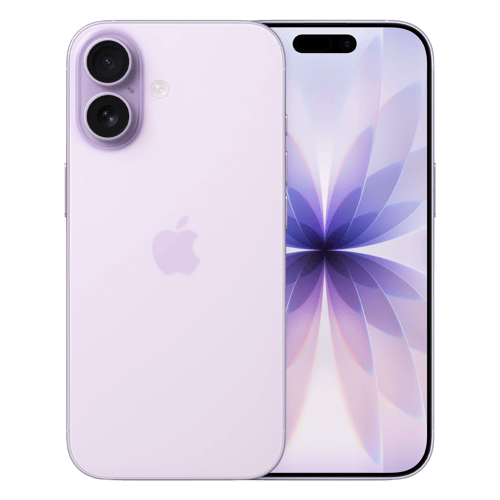
iPhone 17 brings features once reserved for higher tiers, including 120Hz ProMotion, to a mainstream device. It combines a 6.3-inch OLED, A19 chip and 48MP Dual Fusion rear cameras.
Its appeal is balance: smooth navigation, flexible photography and ample everyday performance without defaulting to the Pro range. Compare models with equal storage and warranty conditions.
120Hz display in daily use
Up to 120Hz adaptive refresh improves scrolling and interface animation. Always-on display, Dynamic Island and up to 3000 nits claimed outdoor peak brightness also feature.
For someone upgrading from 60Hz, this may be one of the most noticeable changes. Actual refresh rate and brightness depend on conditions and content.
A19 and long-term use
A19 supports gaming, imaging, compatible AI tools and everyday work. Long-term value also depends on software updates, battery care and repair access.
Choose storage based on realistic photo and video habits, including how those habits might change over several years.
48MP Dual Fusion cameras
The rear system includes 48MP main and ultrawide cameras, plus macro capability and a 2x crop framing option. That makes the phone useful for travel, group shots and close-up scenes.
It does not include every Pro manual control. Evaluate indoor processing, stabilisation and speed of capture rather than relying solely on pixel counts.
Video and Center Stage selfies
An 18MP Center Stage front camera improves framing for selfies and video calls. The phone supports 4K Dolby Vision video and useful stabilisation modes.
Regular creators should assess sound, moving subjects, runtime and storage. The highest resolution is not always the best setting for every use case.
Battery and charging
Apple rates up to 30 hours of video and up to 27 hours of streaming. USB‑C charging can reach 50% in around 20 minutes with a suitable 40W-or-higher adapter.
Navigation, gaming and cellular use may vary substantially. Charging limits and optimised charging can help users manage battery ageing.
iPhone 17 or 17e?
iPhone 17 provides a larger 120Hz display, two 48MP rear cameras and an 18MP Center Stage front camera. iPhone 17e retains A19 but has a 6.1-inch screen and a simpler camera layout.
The 17 premium matters for display smoothness, ultrawide photography and video tools. For basic communication and cost control, compare the 17e carefully.
This reference documents specifications or procedures. Check for updates before buying or configuring a device.
View official sourceFrequently asked questions
Does iPhone 17 have a 120Hz display?
Yes. Apple specifies adaptive ProMotion up to 120Hz.
Does iPhone 17 have an ultrawide camera?
Yes. It has a 48MP Fusion ultrawide alongside the 48MP Fusion main camera.
How to decide
Compare the features you actually use, total ownership cost, local warranty and availability. This guide is based on published specifications, not independent hands-on testing.